Familiar Places. Brighter Days. · Greater Denver Talk with our care team: (303) 731-5393

Make home the safest place to be

Small changes make a big difference for someone with memory loss. During our in-home assessment we look at lighting, stairs, bathrooms, doors and Colorado-specific risks like icy steps, then give you a practical list of fixes.

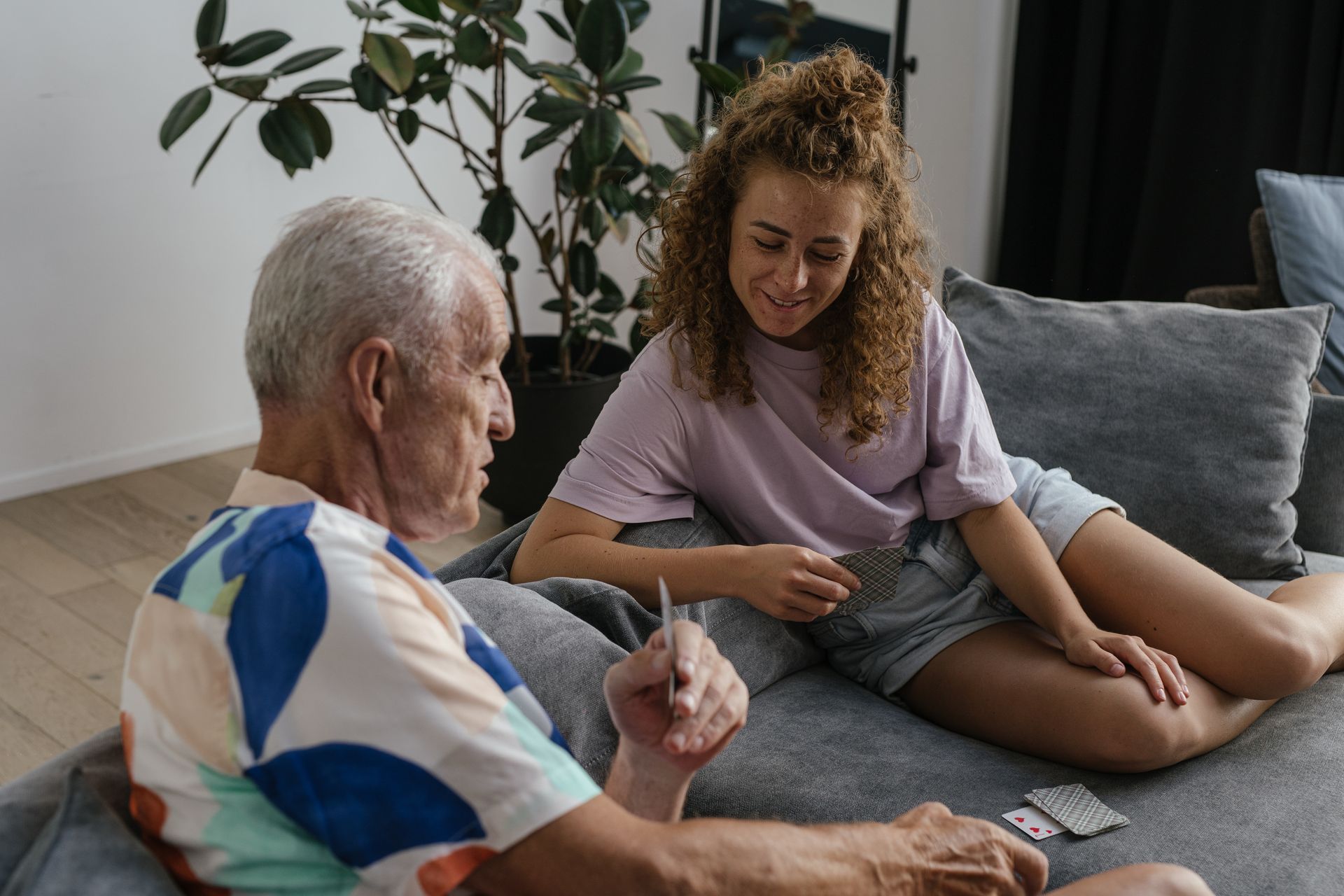
An older man and a younger woman enjoying a card game at home. Illustrative photography.
What’s included

How we help

  • Fall-risk walkthrough of every room
  • Wander-risk and door-security review
  • Bathroom and stair safety recommendations
  • Winter checklist for icy entries and walkways
  • A written summary for the whole family

Is this right for your family?

Safe at Home Assessment is often a good fit when:

  • Any family considering home care
  • Loved ones who have had a recent fall
  • Homes with stairs, steps or long winter walkways
Talk to a care advisor

What could a little support change?

See how home care could fit into the moments that matter to your family.

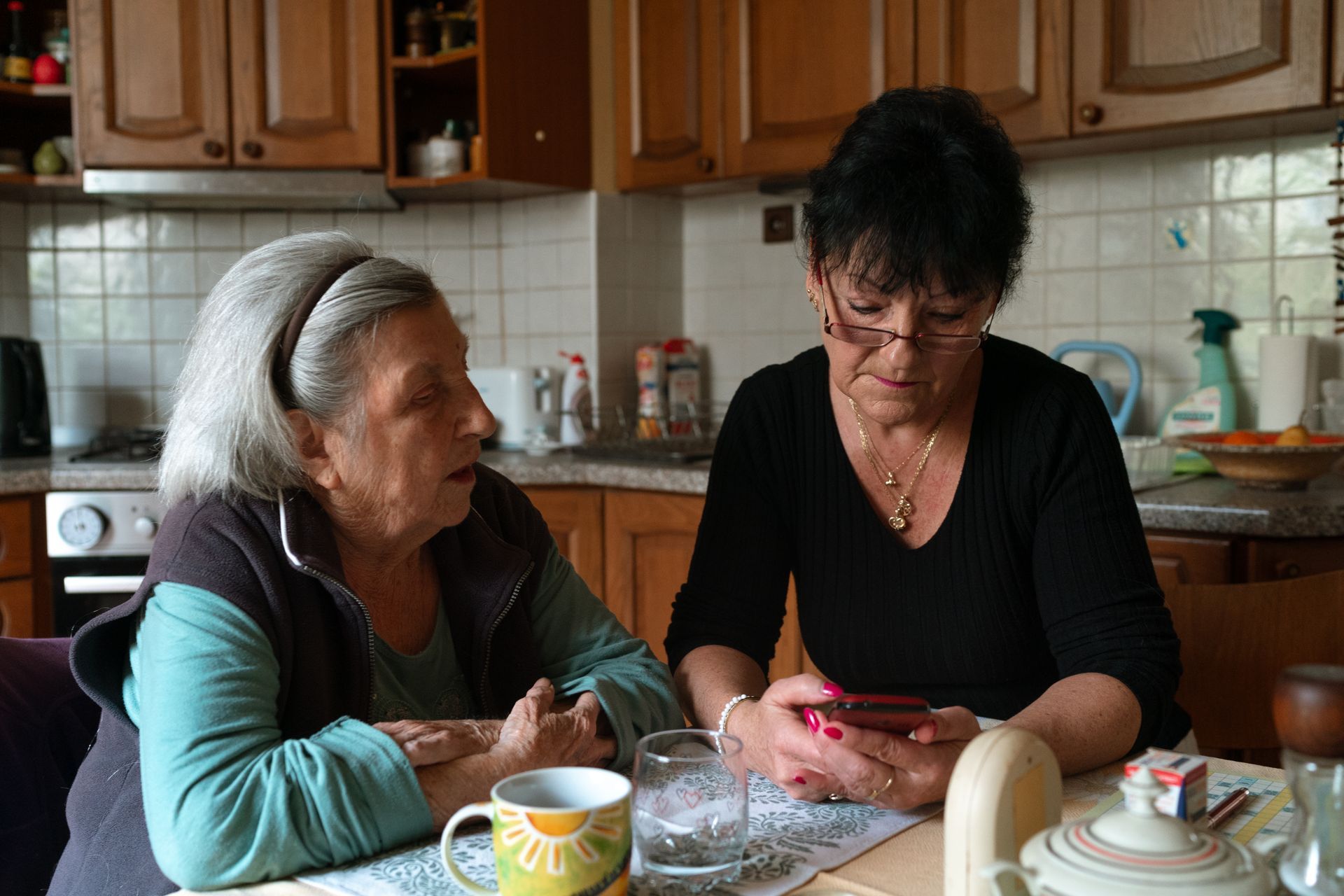
Two women spending time together at a kitchen table.

A familiar routine. A little more support.

Breakfast gets skipped. Getting ready takes longer. You find yourself calling several times just to check that the day has started.

What support could look like

A caregiver can help with breakfast, getting dressed and a gentle morning rhythm. We start with the routines your loved one knows and discuss the assistance that fits.

More reassurance in the everyday moments.

Illustrative care examples and stock photography. Care plans and availability are confirmed individually. Photo credits

Navy Memory+ Home Care caregiver scrubs with the embroidered logo
Why families choose Memory+

Same home. More good days. Your peace of mind.

Dementia-trained caregivers

Specialized training in communication, redirection and dignity-first care, not just general home care.

Personalized care plans

Built around your loved one’s history, preferences and daily rhythms, and updated as needs change.

Consistent, familiar faces

We keep the same small team with your loved one, because familiarity matters even more with memory loss.

Clear expectations

Talk through caregiver qualifications, supervision, communication and scheduling before care begins.

How it works

From first call to first visit in three simple steps

  1. 1

    Free care consultation

    Tell us about the routines, support and timing that would make a difference for your family.

  2. 2

    In-home assessment

    We discuss the right assessment, the help needed and a proposed care plan before you decide.

  3. 3

    Meet your caregiver

    We discuss a suitable caregiver, agreed tasks and the schedule, then confirm arrangements before care begins.

Let’s talk about your loved one.

Tell us a little about your situation and a care advisor can discuss next steps with you. No pressure and no obligation, just honest guidance.

  • A conversation about your needs and routines
  • Caregiver and schedule options
  • Next steps confirmed before care begins

Caring changes everything.

Start with a conversation.

Tell us who you’re caring for, where they live, and what would make the day a little easier.

Call (303) 731-5393

Our phone assistant can collect a few details for the care team. Ask for a human callback whenever you prefer. For emergencies, call 911.

How we handle your information

Home safety FAQ

Is the home safety assessment free?

Yes. It is part of our free in-home consultation, with no obligation.

What actually happens on the first call?

Tell us what a typical day looks like, what has become difficult, and when you need support. We will ask where your loved one lives, what hours you have in mind, and how best to reach you. You do not need a finished care plan or a diagnosis in hand to start the conversation. The next step is an assessment and a discussion of options, without an obligation to begin care.

Is home care the same as home health or a memory care community?

They provide different kinds of support. Home care helps with everyday routines, personal care and companionship in a person’s home. Home health may include clinician-ordered nursing or therapy. A memory care community provides residential support. We can discuss the daily tasks you need help with; a clinician should advise on medical needs and the level of supervision required.

How do we know whether it is time to bring someone in?

Start with the situations that worry you: meals being missed, difficulty with bathing or dressing, getting lost, nighttime interruptions, or a family caregiver who cannot keep up. Write down when those things happen and what help is missing. You can speak with us before there is a crisis. A sudden change in health or confusion should be discussed promptly with a healthcare professional.

Same home. More good days.

Give your loved one the comfort of home, and give yourself some peace of mind.